
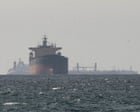
The United States has begun blocking ships from using Iranian ports in the Gulf after a deadline passed, escalating the US-Israeli war against Iran into a test of economic endurance.
Iran responded by saying Americans would be hit with higher fuel prices as a result of the blockade. The move raises the stakes in a conflict that is already moving beyond battlefield strikes and into the disruption of shipping routes and energy markets.
It remains unclear exactly how US Central Command would enforce the blockade. One possibility is that US forces could try to board and seize any vessel that ignores instructions to stay away from Iranian ports. Another concern is that a missile strike on a tanker attempting to break the blockade could trigger an environmental disaster in the Gulf.
The blockade marks a significant shift in the conflict, with the focus now on controlling access to key maritime routes. Iranian ports in the Gulf are central to trade and energy transport, making them a strategic pressure point in any wider confrontation.
For now, the situation appears set for a prolonged standoff. The US move places economic pressure on Iran, while also carrying the risk of broader consequences for global shipping, regional stability and fuel prices far beyond the Gulf.
Follow the latest updates on our live blog.

