
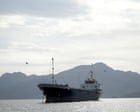
US-sanctioned ships have passed through the Strait of Hormuz even after the Trump administration launched a naval blockade of Iranian ports following the expiry of its deadline. The developments add to the pressure on a region already shaken by the widening Iran war and the escalating impact on global trade routes.
At the same time, Emmanuel Macron and Keir Starmer are due to co-host a summit in Paris on Friday, where diplomatic efforts around the crisis are expected to continue. The meeting will be chaired by France and the UK, placing two European powers at the centre of talks as tensions remain high across the Middle East.
The Strait of Hormuz has become one of the most closely watched flashpoints in the conflict. The continued movement of sanctioned vessels through the waterway underlines the extent to which commercial and strategic shipping are being pulled into the confrontation, despite the blockade imposed on Iranian ports.
Lee warns of prolonged strain
In Seoul, South Korean president Lee Jae Myung struck a cautious note about the consequences of the war for the global economy. Speaking at a cabinet meeting on Tuesday, he said the rising tensions around the Strait of Hormuz make it difficult to be optimistic about what comes next.
Lee warned that high oil prices and supply-chain disruption are likely to persist for some time. He said the government should assume prolonged turbulence in global energy and raw materials markets and strengthen its emergency response system accordingly.
For the time being, difficulties in global energy and raw materials supply chains and high oil prices will continue, he said, adding that South Korea should push ahead with alternative supply chains, medium- to long-term industrial restructuring, and the transition to a post-plastic economy as national strategic priorities.
The comments reflect growing concern far beyond the immediate war zone. As the Strait of Hormuz remains under pressure, countries dependent on imported energy and industrial materials are bracing for a wider economic fallout. That includes the risk of further increases in transport costs, delays to manufacturing inputs and continued volatility in fuel markets.
Lebanon and Israel remain deeply divided
The crisis also comes against the backdrop of a long and difficult relationship between Lebanon and Israel. The two countries have been at war in some form since the early 1980s and do not have diplomatic relations. Lebanon does not permit entry to people who have an Israeli stamp in their passport.
Against that history, the fact that direct talks are taking place between the two governments is being viewed as striking. The source described the negotiations as “really astonishing,” given the absence of formal relations and the decades of conflict that have defined the relationship.
That sense of surprise highlights how far the current crisis has pushed regional diplomacy. With the war expanding its economic and political consequences, governments are being forced to respond on multiple fronts at once: securing shipping lanes, managing energy shocks and trying to keep talks alive even between states that have long rejected direct contact.
More to follow as the situation develops.

