
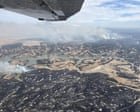
Rising temperatures and extreme drought are driving more destructive spring wildfires across the American Great Plains, where the nation’s beef producers depend on vast stretches of grassland for grazing. This year, those conditions combined to create a devastating fire season in Nebraska, turning what would normally be a period of early growth into a landscape of ash and loss.
In a typical year, the broad plains of the central United States begin to green in the spring. Instead, this season brought fire rather than moisture, leaving more than a million acres blackened and bare across the region.
Nebraska has been hit especially hard. Multiple fires swept through the state, and records for annual acreage burned were surpassed in a single month. The most severe of them, the Morrill fire, became the largest blaze ever recorded in Nebraska after it raced across more than 642,000 acres before being contained in March.
The scale of the destruction underscores how quickly changing weather patterns can intensify wildfire risk in areas more often associated with ranching than burning. For cattle country across the Great Plains, the impact is not only environmental but deeply practical, threatening grazing land that supports livestock operations across one of the country’s most important agricultural regions.
As spring normally brings renewed pasture growth, this year’s fires have left behind scorched ground and damaged landscapes instead. The result is a stark reminder of how drought and heat are reshaping the seasonal rhythms of the Great Plains and increasing the danger for communities, ranchers and land managers alike.
With more than a million acres burned and one fire setting a new state record, Nebraska’s wildfire season has become a striking example of the growing severity of spring fires in the American West and central plains. The conditions that fueled this year’s blazes suggest that what once may have been an unusual event is becoming a more familiar and destructive part of the season.

