
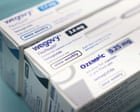
Some American cities and states that once paid for GLP-1 weight-loss drugs through Medicaid and other public programs are now cutting back coverage as demand for the medications continues to rise.
The change affects low-income residents and public employees in places that had previously covered the cost of drugs such as Ozempic and Wegovy. According to the source report, some jurisdictions have begun restricting or eliminating that support altogether.
The shift comes after a sharp increase in public spending on these medicines in recent years. GLP-1 drugs have become widely sought after for weight loss, putting pressure on state and city budgets that were not designed to absorb the surge in costs.
Experts quoted in the report say the financial relief may only be temporary. While reducing coverage could ease immediate budget pressure, they argue that long-term health costs linked to obesity may end up outweighing those short-term savings.
Budget pressure grows
Medicaid programs and public employee health plans have faced growing strain as more people seek access to GLP-1 drugs. These medications are among the most expensive treatments now being used for weight loss, and their popularity has accelerated spending much faster than many public systems expected.
The result has been a policy pullback in some places. Rather than maintaining broad coverage, officials in certain cities and states are now narrowing eligibility or ending payment for the drugs altogether.
The report does not specify every jurisdiction affected, but it makes clear that the trend is spreading in response to rising costs and sustained demand.
Public health trade-offs
The debate over coverage is centered on a familiar tension: near-term savings versus longer-term health outcomes. Supporters of coverage argue that helping residents access effective weight-loss treatment may reduce future medical complications associated with obesity. Those complications can include higher health care use over time, which may ultimately increase public spending.
At the same time, state and local governments are confronting immediate budget realities. The dramatic rise in the cost of GLP-1 drugs has forced many programs to reconsider whether they can continue paying for them at current levels.
For now, the direction in some places is clear: public coverage is tightening even as interest in the medications remains high. The policy changes highlight how quickly a popular drug class can reshape public health budgets and force difficult decisions about access, affordability and long-term cost.

