
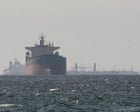
Tensions in the Middle East continued to intensify on Tuesday as the US blockade of Iranian ports remained in place after a deadline passed, while Hezbollah urged Lebanon to pull out of talks with Israel. The developments came amid deepening concern over the wider fallout from the Iran war and the impact on global energy markets.
South Korean president Lee Jae Myung said the rising strain around the Strait of Hormuz made it difficult to feel optimistic about the situation. Speaking at a cabinet meeting, he warned that high oil prices and disruptions to supply chains were likely to continue for some time.
Lee warns of prolonged energy disruption
Lee told ministers that the government should assume prolonged turbulence in global energy and raw materials markets. He said officials must strengthen the country’s emergency response system and prepare for continuing difficulties in supply chains and high prices.
He also called for a broader policy response, urging the development of alternative supply chains, medium- to long-term industrial restructuring, and a move toward a post-plastic economy as top-priority national strategic projects.
The warning reflects growing anxiety far beyond the region, as the situation around the Strait of Hormuz threatens to affect trade flows and energy security in multiple countries. South Korea, heavily dependent on imported energy and industrial inputs, is among the nations watching closely for further disruption.
Hezbollah opposes talks with Israel
Meanwhile, Hezbollah has said it will not abide by any agreements that emerge from talks with Israel in the US. The group’s position adds another layer of pressure to an already fragile regional situation and underscores the political sensitivity surrounding direct engagement between Lebanon and Israel.
The relationship between Lebanon and Israel has been hostile for decades. The two countries have had no diplomatic relations, and Lebanon bars entry to people with Israeli passport stamps. Against that backdrop, the fact that direct talks are taking place between the two governments has been described as highly unusual and significant.
That context helps explain why Hezbollah is urging Lebanon to step back from the negotiations. The group has made clear that it does not consider itself bound by outcomes it sees as produced through US-mediated discussions with Israel.
Wider regional pressure builds
The continuing blockade of Iranian ports has raised the stakes further, adding pressure on shipping, energy markets and regional diplomacy. With the blockade still underway after the deadline passed, the confrontation appears set to remain a major source of instability.
As the crisis unfolds, governments outside the Middle East are preparing for possible knock-on effects. Lee’s remarks suggest that the economic consequences may be felt well beyond the immediate conflict zone, especially if oil prices remain elevated and supply chains stay strained.
The situation has left regional diplomacy, energy security and trade increasingly interconnected. For now, the blockade continues, Hezbollah is pushing Lebanon to abandon negotiations, and governments from Seoul to the Gulf are bracing for further disruption.

