
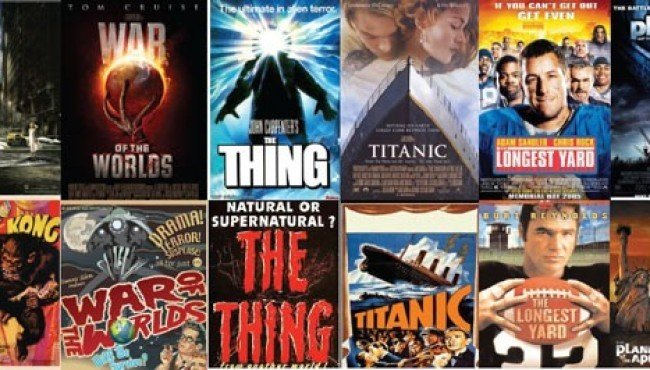
Remakes and reboots are everywhere because they reduce uncertainty in an entertainment industry built on expensive bets. When studios spend tens or hundreds of millions on a project, they prefer ideas that come with “built-in demand”—a familiar title, recognizable characters, or a world audiences already understand. This doesn’t mean original stories have vanished, but it does mean that the biggest budgets often go to safer choices. A reboot is not just a creative decision; it’s a business strategy that lowers risk by leaning on awareness that already exists.
The economics of nostalgia make this even stronger. Familiar stories feel emotionally “pre-approved” because they connect viewers to a time, a memory, or an identity—childhood favorites, iconic eras, or shared pop-culture moments. Nostalgia doesn’t just create interest; it creates urgency: people want to see how the new version compares, whether it “respects” the original, and what has changed. This attention is extremely valuable because it shortens the marketing journey—audiences don’t need to be convinced the concept exists, only that this version is worth their time.
Franchise safety is the second big driver. A reboot isn’t only about one movie or one season; it’s about building a pipeline: sequels, spin-offs, games, merchandise, and international licensing. Studios and platforms love franchises because they create repeat consumption and predictable audience behavior. Even when a reboot is criticized, the conversation itself can still generate visibility—and visibility often translates into streaming minutes, ticket sales, or subscriptions. In a crowded market, familiarity is a shortcut to attention, and attention is the currency everyone fights for.
Audience psychology completes the picture. People enjoy the comfort of known worlds, but they also crave novelty—so the best reboots deliver a balance: the “same feeling” with a “new reason” to watch. Viewers want reassurance (“I know what this is”) and surprise (“I didn’t expect that”). Reboots also benefit from social proof: when everyone is talking about a revived classic, it becomes a shared cultural moment. That’s why reboots often spike fast—people don’t want to be left out of the conversation, even if they’re skeptical.
Reboot Success vs Failure Checklist
A reboot tends to succeed when it:
-
☐ Understands the core appeal of the original (the “why people loved it”)
-
☐ Updates something meaningful (theme, character depth, perspective) without losing identity
-
☐ Casts well and builds believable chemistry
-
☐ Has a clear creative vision (not just “cash-in” energy)
-
☐ Respects canon and continuity—or explains changes clearly
-
☐ Uses nostalgia as a bridge, not the entire plot
-
☐ Delivers strong writing and pacing from the first episode/act
A reboot tends to fail when it:
-
☐ Confuses references with storytelling (fan service replaces substance)
-
☐ Changes everything without understanding what made it special
-
☐ Plays too safe and feels like a recycled copy
-
☐ Tries to satisfy everyone and ends up with no clear audience
-
☐ Has weak characters but relies on the brand name to carry it
-
☐ Feels like a marketing product rather than a creative work

