
Tensions across the Middle East deepened on Tuesday as Donald Trump said talks with Iran could resume “over the next two days”, while Lebanon and Israel entered direct negotiations in Washington for the first time since the 1990s.
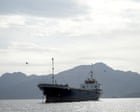
The developments come against the backdrop of a widening regional crisis, with the US starting a naval blockade of Iranian ports after a deadline passed. The standoff has added further pressure to already fragile markets and raised concerns about the fallout from the conflict.
Trump signals more talks with Iran
The US president said the country was “inclined” to go to Pakistan for further discussions, suggesting that diplomatic efforts may continue even as tensions remain elevated. His comments point to the possibility of renewed engagement with Iran within a very short timeframe, though the situation remains fluid.
The prospect of fresh talks comes at a moment when military and economic pressure are both intensifying. The blockade of Iranian ports marks a major escalation, and the continuing crisis around the Strait of Hormuz has left global markets bracing for disruption.
South Korea warns of prolonged market strain
In Seoul, South Korean president Lee Jae Myung said the rising tensions around the Strait of Hormuz make it difficult to be optimistic about the wider impact of the Iran war. He warned that high oil prices and supply-chain strains are likely to continue for some time.
Lee told a cabinet meeting on Tuesday that the government should assume prolonged disruption in global energy and raw materials markets and strengthen its emergency response system. He said that for now, problems in global supply chains and elevated energy prices would continue.
He also called for the pursuit of alternative supply chains, medium- to long-term industrial restructuring, and a transition to a post-plastic economy as top-priority national strategic projects.
Lebanon and Israel begin direct talks
One of the most striking developments in the live events was the start of direct negotiations between Lebanon and Israel in Washington, the first such talks between the two governments since the 1990s.
Lebanon and Israel have been at war in some form since the early 1980s, and the two countries do not have diplomatic relations. The barriers between them have long been severe: travellers with an Israeli stamp in their passport are not allowed to enter Lebanon.
That is why the current talks are being described as extraordinary. Direct contact at government level is highly unusual and marks a significant shift in a relationship defined by conflict and absence of formal ties.
As the crisis unfolds, the mix of military escalation, diplomatic manoeuvring and economic warning signs continues to shape a volatile regional picture. With Iran talks potentially restarting, a blockade now in force, and direct Lebanon-Israel negotiations underway, the coming days may prove crucial.

