
Talks aimed at easing the conflict in the Middle East are set to take place in Islamabad this weekend, even as the US-Iran ceasefire faces growing uncertainty and fighting continues elsewhere in the region.
Pakistan’s capital was under strict lockdown on Friday as officials prepared for what they described as historic negotiations between Iran and the United States. Those discussions have been presented as a possible path toward ending a war that has already caused widespread devastation across the Middle East.
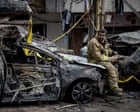
But the diplomatic outlook appeared increasingly fragile. Continued Israeli bombardment of Lebanon and disputes over the terms of the talks have added pressure to the ceasefire effort, raising questions about whether it can hold.
Israel and Hezbollah also continued to exchange strikes, underscoring how difficult it remains to reduce violence on multiple fronts at once. The latest attacks came as regional tensions stayed high and the ceasefire framework looked more precarious.
Donald Trump added to the uncertainty in comments to US media, saying he had asked Benjamin Netanyahu to be more “low-key” in Lebanon. His remarks suggested concern in Washington about the impact of Israeli operations on the wider diplomatic effort.
Netanyahu, however, said there is no ceasefire in Lebanon, even as Israel launched fresh strikes. The Israeli leader’s comments reinforced the sense that military action remained active despite broader efforts to contain the conflict.
The situation around the Strait of Hormuz has also become a major point of concern. Trump cast doubt on the Iran war ceasefire while pointing to the continued closure of the strategic waterway, a development that has further complicated hopes for a stable truce.
For Pakistani officials, though, the weekend negotiations remain on track. They insist the talks will proceed as planned, despite the pressure building around them and the uncertainty over whether all parties are ready to commit to de-escalation.
The planned meetings have therefore taken on heightened importance. With strikes continuing and ceasefire terms still under dispute, the talks in Islamabad may become a crucial test of whether diplomatic efforts can make progress where military pressure has not.
For now, the region remains caught between competing signals: public calls for restraint, continued battlefield activity, and negotiations that could still either open a path toward peace or expose the limits of the current ceasefire effort.

