
US President Donald Trump has raised fresh uncertainty around the Iran war ceasefire, saying the deal could remain vulnerable while the Strait of Hormuz stays closed. His comments come at a tense moment in the region, where Israel and Hezbollah continue to trade strikes and where the wider conflict still threatens to widen.
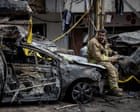
According to Trump, he has asked Israeli prime minister Benjamin Netanyahu to be more “low-key” in Lebanon. The remark comes as Israeli forces launched fresh strikes there, prompting Netanyahu to insist that there is no ceasefire in Lebanon. The latest exchange of attacks highlights how fragile the wider regional situation remains, even as diplomats try to prevent further escalation.
In Pakistan, the atmosphere is markedly different but no less serious. The streets of Islamabad are under strict lockdown as the capital prepares to host what officials are describing as historic negotiations between Iran and the US. Those talks are being seen as a crucial attempt to end a war that has already devastated much of the Middle East.
Pakistani officials say the meeting will go ahead over the weekend as planned, despite growing doubts about the prospects for progress. The negotiations have been presented as a possible turning point, but the continued bombardment in Lebanon and disputes over the terms of the talks have made the path to agreement uncertain.
The ceasefire between the US and Iran now appears increasingly precarious. Trump’s comments added to concerns that the deal could unravel if key issues remain unresolved, especially around the strategic waterway at the heart of the dispute. The Strait of Hormuz has long been one of the most sensitive flashpoints in the region, and its closure continues to complicate efforts to stabilise the situation.
Meanwhile, the violence between Israel and Hezbollah has not eased. The continued strikes on both sides have reinforced fears that the conflict could spread further, despite efforts by regional and international actors to contain it. The latest Israeli action in Lebanon, and Netanyahu’s denial that any ceasefire is in place there, underline the extent to which the battlefield remains active even as talks are being prepared elsewhere.
The coming days now appear critical. On one side are high-stakes negotiations in Islamabad, backed by the hope that direct talks between Iran and the US might help end the broader crisis. On the other are ongoing military exchanges and political disagreements that could quickly undermine that effort. For now, the region remains caught between diplomacy and escalation, with little room for error.
As Islamabad braces for the talks, the contrast is stark: guarded optimism in one arena, renewed violence in another. Whether the negotiations can deliver even a narrow breakthrough may depend on whether the parties involved can hold back further escalation long enough for diplomacy to take hold.

