
US President Donald Trump has cast doubt on the durability of the Iran war ceasefire, pointing to the continued closure of the Strait of Hormuz as a major obstacle to any lasting calm.
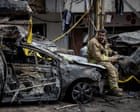
The comments come as the wider conflict remains volatile. Israel and Hezbollah continued to trade strikes, while Israeli forces launched fresh attacks in Lebanon. Israeli Prime Minister Benjamin Netanyahu said there is no ceasefire in Lebanon, underscoring how fragile the wider regional picture remains.
Speaking to US media, Trump said he had asked Netanyahu to be more “low-key” in Lebanon. The remarks added to the sense that, even where a ceasefire has been discussed, the fighting on the ground has not fully stopped and political leaders are still struggling to define the terms of any pause.
Islamabad prepares for pivotal talks
Meanwhile, the streets of Islamabad are under strict lockdown as Pakistan’s capital prepares to host what are being described as historic negotiations between Iran and the United States. The talks, scheduled for the weekend, have been presented by officials as a possible turning point in a war that has devastated much of the Middle East.
Pakistani officials said the negotiations will go ahead as planned, despite growing uncertainty over the ceasefire and continuing bombardment in Lebanon. The prospect of direct talks has raised hopes of de-escalation, but those hopes remain tempered by the ongoing violence and disputes over the framework of the discussions.
The meeting in Islamabad is expected to be closely watched because of the stakes involved. The conflict has already spread pressure across the region, and the continuing closure of the Strait of Hormuz has emerged as one of the most consequential issues tied to any ceasefire arrangement.
Even as diplomatic preparations continue, the battlefield reality has not shifted decisively. Israel’s strikes in Lebanon and the back-and-forth with Hezbollah have kept tensions high, while the ceasefire between the US and Iran appears increasingly precarious.
The competing developments have created a tense backdrop for the weekend talks. On one side, there is the possibility of negotiations that could help chart a path toward ending the war. On the other, there is continued military activity, political disagreement and unresolved questions about whether any ceasefire can hold in practice.
For now, Pakistan is moving ahead with security measures in anticipation of the talks, while regional leaders and international observers wait to see whether the diplomacy can outpace the fighting. The coming days are likely to determine whether the ceasefire can be stabilized or whether the conflict will deepen further.
With Israel and Hezbollah still exchanging fire, Netanyahu insisting there is no ceasefire in Lebanon, and Trump publicly questioning the prospects for peace, the situation remains highly unstable. The planned Iran-US negotiations in Islamabad may prove critical, but they will take place against a backdrop of continuing war and deep mistrust.

