
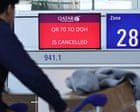
Passengers affected by flight disruption linked to the Middle East crisis are being warned about scam social media accounts posing as airlines and offering help with delays, refunds and compensation.
The warning comes as travellers search online for information after flights are disrupted by the conflict involving Iran. In some cases, they may come across what appears to be an official airline account, post a question and receive a quick reply from someone claiming to assist.
That first exchange can look convincing. The account may ask the traveller to send a direct message with details, which can seem like a normal next step in resolving a complaint or checking on compensation. But according to the warning, this is where the scam begins.
Once the conversation moves into direct messages, the fraudster may ask for a phone number on the basis that the passenger could be due compensation. Instead of receiving money, the victim risks having money taken from them.
The accounts involved are designed to look official, making them difficult to spot at first glance. They exploit the pressure and uncertainty that can follow sudden travel disruption, when customers are especially likely to look for quick answers on social media.
Travellers are being urged to remain cautious when contacting airlines online, particularly if a response asks them to move the discussion away from a public channel and into private messages. Any request for personal details should be treated carefully, especially if it comes from an account that has not been verified.
The risk is heightened when major events disrupt flights and create a rush of passengers seeking support at the same time. That demand gives scammers an opportunity to imitate airline customer service teams and take advantage of people who are worried about delays, cancellations or refunds.
Anyone dealing with flight problems should make sure they are contacting the airline through legitimate channels and should not assume that a social media profile is genuine simply because it appears to carry the airline’s name or branding.
The scam highlighted in the warning shows how easily criminals can use current events to target people looking for help. In this case, the promise of assistance with compensation is used to build trust before the victim is asked for information that can be misused.
With travel plans already affected by the Middle East crisis, passengers are being reminded to be especially careful about who they share details with online and to watch for accounts that claim to represent carriers but may be operating fraudulently.

