
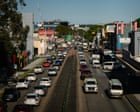
Road traffic is falling across Australia’s east coast as rising fuel prices begin to change driving habits, with major routes in Sydney and Melbourne seeing fewer trips and fewer cars on the road.
New South Wales government data shared exclusively with Guardian Australia shows that trips on Sydney’s key thoroughfares have dropped by thousands a day. On most of the city’s major highways, weekend traffic is down by about 20%.
The figures point to a noticeable shift in behaviour as Australians respond to higher petrol prices. Rather than taking the car as often, many motorists appear to be cutting back on non-essential travel and reducing the number of journeys they make each week.
The traffic decline is most visible on Sydney’s busiest roads, where the number of recorded trips has slipped significantly. According to the government data, the reduction is not limited to isolated routes but affects several of the city’s major thoroughfares.
Pressure from fuel costs
The drop in traffic comes amid a fuel crisis that is putting pressure on household budgets and forcing drivers to reconsider how much they use their vehicles. With petrol prices remaining high, even routine travel is becoming more expensive.
That has had a direct impact on road use. Fewer weekend trips suggest that Australians are postponing outings, combining errands, or choosing alternatives to driving where possible. The change is also being reflected in the broader transport picture on the east coast.
While the source data focuses on Sydney, it also indicates that traffic is easing on major roads in Melbourne. Taken together, the numbers suggest the fuel squeeze is influencing driving patterns well beyond one city.
Fewer trips on key roads
In Sydney, the fall in traffic is being measured on some of the city’s most important roads, where the reduction amounts to thousands of trips each day. The weekend decline is especially notable, with the busiest highways registering markedly fewer vehicles than usual.
Such changes can have knock-on effects across urban transport networks. Lower traffic volumes may ease congestion in the short term, but they also reflect the strain that higher living costs are placing on commuters and households.
The latest data suggests Australians are already adapting to the fuel situation by driving less. If petrol prices remain elevated, the trend could continue, shaping travel habits across the east coast in the weeks ahead.
For now, the government figures offer a clear sign that the cost of fuel is already changing how often people get behind the wheel.

