
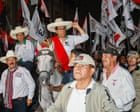
Peruvians went to the polls on Sunday in an election dominated by frustration over instability, corruption and rising violent crime. Many voters are hoping the vote will help end a cycle of political upheaval that has seen nine presidents in a decade and left public trust in institutions badly damaged.
About 27 million eligible voters are choosing from a record 35 presidential candidates, along with contenders for the country’s bicameral congress. The ballot is unusually long, measuring nearly half a metre, and is the longest in Peru’s history.
The scale of the contest reflects both the country’s fragmented politics and the deep uncertainty surrounding the outcome. With so many candidates in the race, no clear frontrunner has emerged in a campaign shaped by concerns about public safety and anger over corruption.
Voter concerns centre on crime and corruption
Crime and corruption have been the leading issues for many Peruvians heading into the election. The country has faced surging violent crime alongside repeated scandals that have further eroded confidence in political leaders and state institutions.
That combination has fueled a sense of exhaustion among voters, many of whom are looking for a government capable of restoring order and stability after years of abrupt leadership changes. The election is being watched closely because the next president will inherit a system already strained by distrust and political division.
A record-sized ballot in a fragmented race
The presidential race includes 35 candidates, a record for Peru, making this one of the most unpredictable elections in recent memory. Voters must also decide the makeup of congress, adding another layer of complexity to an already crowded ballot.
The ballot sheet, nearly half a metre long, underscores the breadth of the field and the lack of consensus around any single political option. In such a crowded contest, the result is likely to depend not only on who leads the race, but also on how voters respond to the broader crisis of confidence in Peru’s political class.
For many Peruvians, the central question is whether this election can deliver a genuine break from the pattern that has defined the past decade: recurring instability, short-lived presidencies, persistent insecurity and a steady decline in trust.
As the votes are cast, the stakes extend well beyond selecting a new leader. The outcome will determine whether Peru can begin to move away from a period marked by repeated turmoil or whether the cycle of political uncertainty will continue.

