
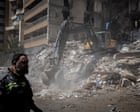
Israeli prime minister Benjamin Netanyahu has said there will be “no ceasefire in Lebanon” as Israel continues bombing what it describes as Hezbollah launch sites.
The comments came shortly after Donald Trump told US media that he had asked Netanyahu to be more “low-key”. The exchange adds to growing pressure around the conflict, which has intensified after the US-Iran ceasefire prompted further condemnation over Israel’s strikes in Lebanon.
According to the Israeli military, the Israel Defense Forces are attacking Hezbollah targets. The latest escalation has sharpened diplomatic concern over whether any wider ceasefire arrangement can hold if fighting in Lebanon continues.
UK calls for Lebanon to be included
On Thursday, UK foreign minister Yvette Cooper said Lebanon must be included in any ceasefire agreement. In comments also reported by Reuters, she added that shipping through the Strait of Hormuz must be toll-free.
Her remarks came amid separate debate over the future of the key waterway, where Tehran has proposed fees or tolls for vessels to pass safely through the strait. The Strait of Hormuz is a crucial shipping route, and any limits or charges on passage would have broad implications for international trade.
Donald Trump said on Wednesday that the US and Iran could collect tolls in a joint venture. The White House, however, said the priority was reopening the strait without limitations.
Growing pressure over ceasefire terms
The issue of Lebanon’s inclusion has become part of the wider discussion around ceasefire negotiations and how far any deal might extend beyond the immediate US-Iran conflict.
Trump’s remarks about wanting Netanyahu to be more restrained, combined with Israel’s continuing military operations, underline the fragility of the current diplomatic landscape. For now, Netanyahu’s statement suggests Israel is not prepared to halt operations in Lebanon as talks continue elsewhere.
The latest developments leave open major questions over whether a broader ceasefire can emerge and what conditions, if any, might be attached to maritime traffic through the Strait of Hormuz.
As the situation develops, diplomatic attention remains focused on both the battlefield in Lebanon and the negotiating positions being taken on shipping and ceasefire terms.

