
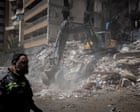
Israeli prime minister Benjamin Netanyahu has said there will be “no ceasefire in Lebanon” as Israel carried out attacks it described as strikes on Hezbollah launch sites.
The comments came shortly after Donald Trump told US media that he had asked Netanyahu to be more “low-key”. The timing adds to the pressure around the wider regional crisis, with ceasefire talks continuing alongside renewed fighting and diplomatic appeals.
Israel said it was attacking Hezbollah targets in Lebanon. The latest bombing drew condemnation, following the US-Iran ceasefire that had raised hopes of a broader easing of tensions in the Middle East.
On the diplomatic front, the UK foreign minister, Yvette Cooper, said Lebanon must be included in any ceasefire agreement. In remarks also reported by Reuters, she added that shipping through the strait of Hormuz must be toll-free.
That point is significant because the strait remains a critical route for global trade and energy shipments. Amid the ceasefire talks, Tehran has proposed fees or tolls on vessels passing safely through the waterway. Trump had previously suggested the US and Iran could collect tolls in a joint venture, while the White House said the priority was reopening the strait without limitations.
The debate over Hormuz has become part of the wider discussions surrounding the conflict, as governments weigh both security and commercial concerns. Cooper’s comments reflected the view that any arrangement affecting the strait should avoid extra costs on shipping.
In separate remarks quoted in the live coverage, a statement was also made about the need for lawful basis and a “viable, thought-through plan” before getting involved in action. That message echoed wider caution among officials as the crisis continues to unfold.
With fighting still active in Lebanon and ceasefire negotiations under way, the situation remains fluid. Israel’s latest strikes, Netanyahu’s public rejection of a ceasefire in Lebanon, and the continuing debate over the strait of Hormuz all point to a conflict that is still far from settled.
More developments are expected as regional powers and international partners continue to push for a deal that can contain the violence and prevent further escalation.

