
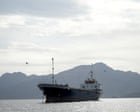
US President Donald Trump has said talks with Iran could resume “over next two days,” and added that the country is “inclined” to go to Pakistan for further discussions. The remarks came as the confrontation in the region deepened, with the US starting a naval blockade of Iranian ports after a deadline passed.
The latest developments have intensified already severe concerns about the fallout from the Iran war, particularly around the Strait of Hormuz, one of the world’s most important shipping routes. The disruption has raised fears about oil prices and the wider effects on global supply chains.
South Korea warns of prolonged strain
In Seoul, South Korean president Lee Jae Myung said the growing tensions around the Strait of Hormuz made it difficult to feel optimistic about the consequences of the conflict. He warned that high oil prices and supply-chain pressures were likely to continue for some time.
Speaking at a cabinet meeting on Tuesday, Lee said the government should assume that disruptions to global energy and raw materials markets would last. He called for a stronger emergency response system and said the country must prepare for ongoing problems in energy and materials supply.
Lee also urged officials to push ahead with alternative supply chains, medium- to long-term industrial restructuring, and what he described as a transition to a post-plastic economy as top-priority national strategic projects.
Direct Lebanon-Israel talks begin in Washington
At the same time, Lebanon and Israel have entered direct negotiations in Washington for the first time since the 1990s. The talks are notable because the two countries have had no diplomatic relations and have been at war in some form since the early 1980s.
The scale of the diplomatic shift is significant. Under normal circumstances, Israeli passport stamps can make entry to Lebanon impossible, and the absence of formal ties has long defined relations between the two sides. The fact that they are now speaking directly in Washington marks a rare and striking departure from decades of hostility.
Observers say the move is especially remarkable because direct government-to-government negotiations between Lebanon and Israel have been absent for so long. The new talks come as the wider regional crisis continues to unfold and as pressure mounts on governments to limit the economic and security impact of the conflict.
The situation remains highly fluid, with diplomatic efforts and military escalation moving in parallel. Iran talks, the blockade of Iranian ports, the risk to the Strait of Hormuz, and the direct Lebanon-Israel negotiations all underscore how rapidly the conflict is reshaping the political and economic landscape across the region and beyond.
As the crisis develops, governments are facing mounting pressure to respond not only to immediate security threats but also to the prospect of prolonged disruption in energy markets, trade routes and industrial supply chains.

