
Kansas City’s long dispute over police governance has flared again, as city leaders clash with Republican lawmakers over a system that leaves the Democratic city without direct control of its own police force.
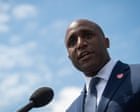
At the center of the fight is Mayor Quinton Lucas, who said he believes the Kansas City police department is “a colonial system.” He argued that the arrangement is deeply unfair to the city’s residents and out of step with the needs of a diverse urban population.
“I think it is anti-Black. I think it is anti-immigrant. I think it is anti-almost everything we stand for in terms of making sure that diverse populations in major cities have a voice in terms of navigating it,” Lucas said.
The comments reflect a broader frustration in Kansas City, where reform efforts have repeatedly run into resistance from Republicans. The city, despite being Democratic, does not fully control its own police department, a situation that has long drawn criticism from local officials and advocates who want more local accountability.
Supporters of reform say the current setup leaves Kansas City with limited power over an institution that shapes daily life, public safety, and trust between police and the communities they serve. Critics argue that the state-controlled structure is outdated and does not reflect the political realities of a major city whose residents elect leaders that cannot fully direct policing policy.
The issue has also become symbolic of a larger divide between blue urban centers and red-state political power. In Kansas City, that divide has turned the police department into a flashpoint in debates over race, immigration, and who gets a voice in public institutions.
For Lucas, the fight is not just about bureaucracy. His description of the department as “colonial” underscores how strongly he and other city leaders view the imbalance of power. The term suggests a system imposed from outside the community, with decisions made elsewhere and the people most affected having too little say.
Republican opposition has helped keep that structure in place, preventing the kind of overhaul city leaders want. As a result, Kansas City continues to grapple with a police system that many local officials say should be changed but has remained largely intact.
The dispute is part of a larger national conversation about local control, policing, and the role of state governments in major cities. In Kansas City, however, it has taken on a particularly sharp edge because the city itself remains unable to fully direct the force that serves it.

