
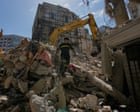
Israel’s military said on Thursday that it was carrying out strikes on what it described as “Hezbollah launch sites” in Lebanon, following earlier evacuation warnings for people in parts of Beirut’s southern suburbs.
The latest strikes add to the already tense situation in the region after the US-Iran ceasefire. The bombing of Lebanon has drawn condemnation, underscoring concerns that the conflict could widen further even as diplomatic efforts continue.
Evacuation warnings in Beirut
Before the strikes, Israel ordered people to flee from areas in Beirut’s southern suburbs. The warnings came as the Israeli military said it was targeting sites linked to Hezbollah, the Iran-backed group that has repeatedly been at the centre of cross-border tensions with Israel.
The situation in Lebanon has become a major issue in discussions around the broader ceasefire landscape in the Middle East. The latest Israeli action has heightened pressure on those seeking to contain the conflict.
UK says Lebanon must be included
UK foreign minister Yvette Cooper said Lebanon must be included in any ceasefire agreement. In comments also reported by Reuters, she added that shipping through the Strait of Hormuz must be toll-free.
Her remarks came as debate continued over how maritime traffic should be handled amid ceasefire talks and regional negotiations.
Strait of Hormuz debate continues
Tehran has proposed fees or tolls on vessels to safely pass through the Strait of Hormuz. Donald Trump on Wednesday suggested the US and Iran could collect tolls in a joint venture, while the White House said its priority was reopening the strait without limitations.
The Strait of Hormuz remains a key shipping route, and any restrictions or charges on vessels have drawn close international attention during the ceasefire negotiations.
Trump says he urged Netanyahu to be more low-key
The latest developments also follow remarks by Trump that he had asked Israeli Prime Minister Benjamin Netanyahu to be more “low-key” on Lebanon. The comments added another layer to the political pressure surrounding Israel’s military activity in the country.
With strikes continuing and diplomatic positions still unsettled, Lebanon has become increasingly central to talks over how a wider ceasefire arrangement might hold.
As the region waits for further developments, the focus remains on whether the fragile pause between the US and Iran can help limit escalation elsewhere, including in Lebanon and around the Strait of Hormuz.

