
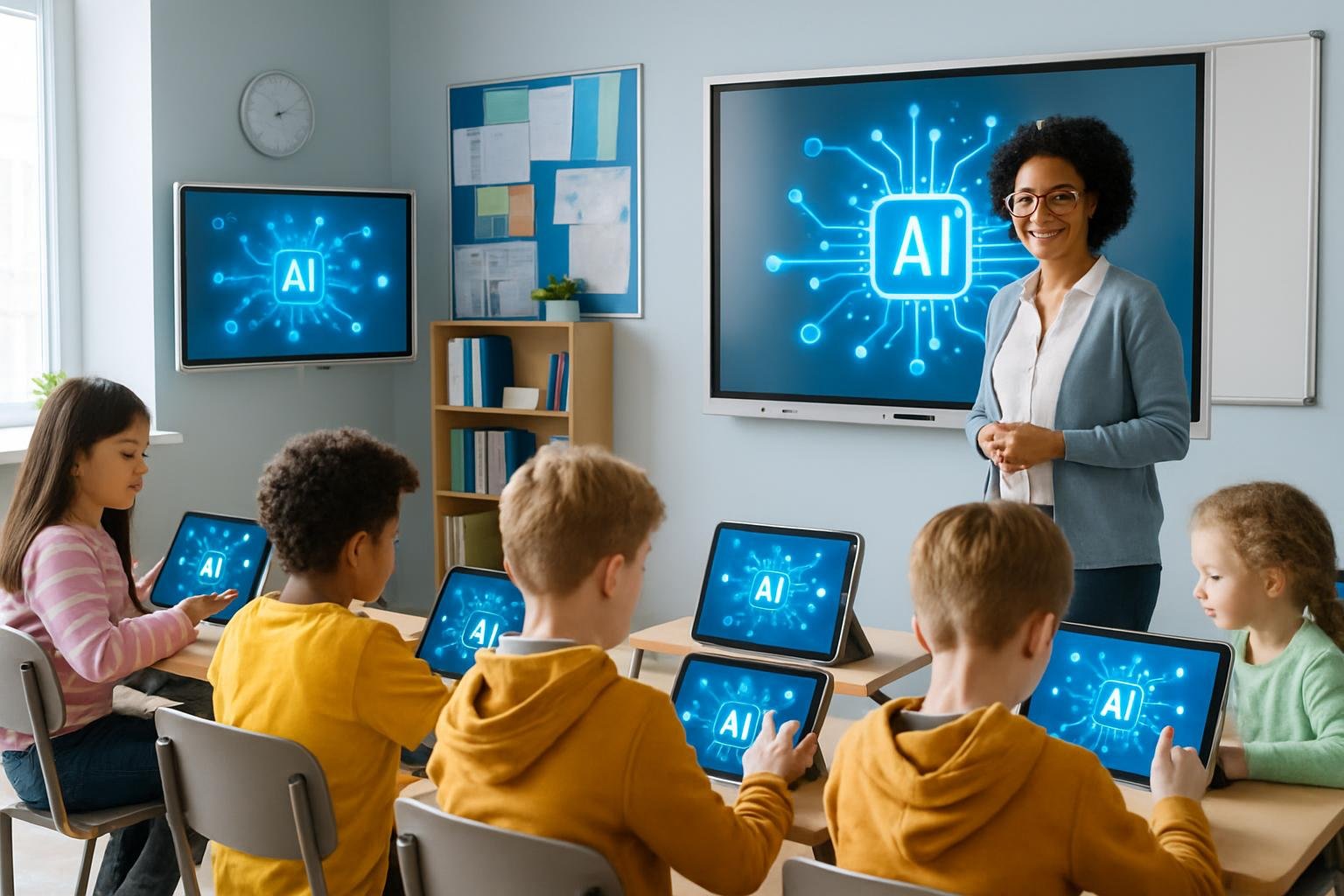
Introduction: A New Era of Education
The integration of artificial intelligence (AI) into classrooms is no longer a distant vision but a present reality shaping education worldwide. AI’s transformative impact extends beyond mere automation, influencing teaching methodologies, student engagement, and administrative efficiency. This digital evolution is reshaping how knowledge is delivered and absorbed, signaling a profound shift that educators, students, and policymakers must understand to harness AI’s full potential responsibly.
Enhancing Personalized Learning
One of AI’s most compelling contributions is its ability to customize educational experiences. Traditional teaching often struggles to address the diverse needs of every student. AI-powered platforms analyze individual learning patterns, adapting the pace and style of instruction accordingly. This means that whether a student excels in mathematics or needs extra support in reading, AI tools can provide tailored resources and exercises, ensuring more effective learning outcomes.
Such systems also enable ongoing assessment without the pressure of formal testing. Instant feedback and adaptive challenges keep learners engaged and motivated, fostering self-directed learning. By catering to individual strengths and addressing weaknesses, AI promotes inclusivity, offering opportunities for students who may otherwise be overlooked in conventional settings.
Empowering Educators with Insight and Efficiency
AI’s role is not to replace teachers but to augment their capabilities. By automating administrative tasks such as grading and attendance, educators can dedicate more time to curriculum development and meaningful student interaction. Moreover, AI analytics provide valuable insights into classroom dynamics, highlighting trends in student performance and identifying those at risk of falling behind.
Educators can leverage this data to fine-tune teaching strategies and provide timely interventions. Additionally, AI-driven content generation tools assist instructors in creating diverse instructional materials aligned with evolving educational standards, ensuring content remains relevant and engaging.
Challenges and Ethical Considerations
Despite the benefits, AI integration raises critical questions around privacy, equity, and the digital divide. Data collection essential for AI functionality must be managed with strict confidentiality to protect students’ personal information. Furthermore, unequal access to technology threatens to widen educational disparities globally.
The ethical design and deployment of AI systems require collaboration among educators, technologists, policymakers, and communities. Transparency, accountability, and inclusiveness must guide AI adoption to ensure that technological advancements serve as bridges—not barriers—in education.
The Global Landscape: Diverse Applications and Cultural Contexts
AI’s influence in classrooms varies widely across regions due to differences in infrastructure, pedagogical traditions, and policy frameworks. In some countries, AI tools support multilingual classrooms and help preserve indigenous languages by creating adaptive language learning environments. Elsewhere, AI facilitates vocational training and upskilling for adult learners, broadening access beyond conventional schools.
Recognizing these contextual factors is key to designing AI solutions that respect cultural identities and address specific educational challenges. Success lies in blending innovative technology with local expertise rather than imposing one-size-fits-all models.
Conclusion: Harnessing AI for Inclusive and Effective Education
Artificial intelligence holds remarkable promise to redefine education, creating more personalized, insightful, and inclusive learning environments. Yet, realizing this potential demands thoughtful implementation that balances innovation with ethical responsibility. Educators must remain at the heart of this transformation, using AI as a powerful tool to enhance—not diminish—the human touch that education fundamentally requires.
By embracing AI’s capabilities while navigating its challenges, classrooms worldwide can evolve into spaces where every learner is empowered to thrive in a rapidly changing world.

