
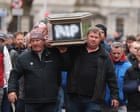
Protests over fuel prices have caused widespread disruption in Ireland and spread to Norway, in what authorities described as a knock-on effect from the conflict in the Middle East.
In Ireland, people were urged to buy only the fuel they need as filling stations began running out of supplies. By Friday, 100 fuel stations had already run dry, and the National Emergency Coordination Group warned that the number could rise to 500 later in the day.
The disruption has intensified over four days of action, with hauliers and farmers blocking motorways and adding to the pressure on transport and supply routes. The protests have created chaos across parts of the country as drivers faced uncertainty about fuel availability.
The effects have not been confined to Ireland. According to the report, the protests have also spread to Norway, showing how the fuel-price anger has moved across borders and added to wider unrest.
The demonstrations are linked to fuel prices and to the broader fallout from the Middle East crisis. The situation has developed rapidly, with shortages and blockades combining to create a tense and fluid emergency response.
Authorities in Ireland have moved to manage the immediate impact by telling motorists to limit purchases to essential needs. The warning reflects concern that demand could outstrip supply even further if the situation continues.
The National Emergency Coordination Group’s estimate that as many as 500 stations could be affected on Friday highlights the scale of the disruption. For many drivers, the concern is no longer only the price of fuel but whether it will be available at all.
As the protests continue, the situation remains uncertain. Road blockades, station shortages and the spread of demonstrations to another country have combined to make the issue one of the most disruptive fuel-related protests in recent memory.

