
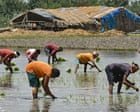
Farmers in India and Sri Lanka are feeling the strain of ripple effects from the war in Iran, with concerns rising over shortages of oil and fertiliser. The pressure is being felt even as governments say there is enough stock to meet demand.
In India, the anxiety is especially acute in Punjab, a region long known as the country’s breadbasket. Gurvinder Singh, a 52-year-old farmer, said he never expected a war in Iran to affect his quiet corner of the state. But from his smallholding, where he alternates between wheat and rice crops, the conflict now feels uncomfortably close.
Singh says the uncertainty has become difficult to ignore. He is worried about what the current situation could mean for this season’s rice crop, and he is not alone. Across farming communities, concerns are growing that disruptions linked to the war could affect access to essential inputs at the very moment farmers need them most.
The situation highlights how conflicts far from South Asia can quickly affect agriculture through global supply chains. Fertiliser and fuel are critical to planting, irrigation, transport and crop production, and even the threat of disruption can unsettle farmers who depend on timely deliveries and stable prices.
While officials have insisted that stock levels are sufficient, that assurance has not eased the nerves of many farmers. For those already working under tight margins, the possibility of shortages adds another layer of risk to an already uncertain farming season.
In Sri Lanka, similar worries are being felt as farmers follow developments closely and try to assess what the wider fallout from the conflict could mean for their own fields. The shared concern in both countries points to the same basic problem: when supplies tighten or become unpredictable, farmers are often among the first to feel the impact.
For Singh and others in Punjab, the concern is not abstract. It is tied directly to the success of the next harvest and the stability of their livelihoods. Even without visible disruption on the ground, the prospect of fertiliser shortages is enough to create panic.
As the war in Iran continues, farmers in India and Sri Lanka are left waiting for clarity on whether the promises of ample stock will hold true in practice. For now, uncertainty itself is shaping the season.

