
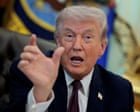
The US and Iran agreed to a two-week ceasefire on Tuesday, reaching the deal barely an hour before Donald Trump’s deadline to “obliterate” Iran was set to expire. Under the terms announced, Tehran has also agreed to temporarily reopen the strait of Hormuz.
The White House said Israel has also agreed to the ceasefire. The development marks a sudden pause in a crisis that had threatened to widen further, with Trump saying he was suspending plans to escalate attacks across Iran.
At the centre of the latest diplomatic effort is a 10-point proposal Iran is said to have sent to Washington. Trump described it as a “workable basis on which to negotiate”, suggesting the document may form the starting point for further discussions rather than a final settlement.
The announcement came after Trump spoke to Pakistan’s leaders, according to the report, while China is also believed to be exerting influence over Tehran. Those external contacts appear to have played a role in the push toward a temporary truce.
What the ceasefire means
The immediate effect of the agreement is to halt open confrontation for two weeks. It also gives diplomatic channels time to operate while reducing pressure on a key global shipping route. The temporary reopening of the strait of Hormuz is especially significant because of its strategic importance to international trade and energy flows.
For now, the key question is whether the ceasefire will hold long enough for negotiations to continue. The White House’s statement that Israel has accepted the arrangement suggests a broader de-escalation effort is under way, but the situation remains fluid.
What is known about Iran’s plan
The source material does not set out the full contents of Iran’s 10-point proposal. What is clear is that Trump said he received it and viewed it as a potential basis for talks. That wording indicates the plan is being treated as a negotiating document rather than a completed peace agreement.
Because the contents have not been publicly detailed in the source, there is no confirmed breakdown of the points themselves. The public significance lies instead in the fact that the proposal was presented in the middle of an intensifying crisis and was sufficient for the US president to describe it as workable.
Will the US agree to it?
At this stage, the answer appears to be that the US has accepted the ceasefire, but not necessarily the broader terms of Iran’s proposal. Trump’s remarks suggest openness to negotiation, not final endorsement. The statement that the proposal is a workable basis implies the administration is prepared to use it as a foundation for further talks.
The coming days will determine whether the temporary ceasefire becomes a longer diplomatic process or merely a pause in hostilities. Much will depend on whether both sides continue to observe the truce and whether discussions around the 10-point plan can move forward.
For now, the agreement represents a notable shift from the brink of escalation to a limited, time-bound pause. But with many details still undisclosed, the ceasefire’s durability and the fate of Iran’s proposal remain uncertain.

