
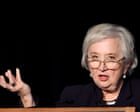
Australia’s live political news on 10 April 2026 has been marked by a sharp intervention from former children’s commissioner Anne Hollonds, who condemned the continued use of spit hoods on children as young as 10 in the Northern Territory.
Hollonds said governments were still relying on “harsh, punitive policies” to lock children up, adding to the growing criticism of youth detention practices in the NT. The comments have intensified scrutiny of the territory’s approach to children in custody, particularly where restrictive equipment remains in use.
The debate comes amid wider national and international developments, with attention also fixed on the economic fallout from the war involving Iran. The head of the International Monetary Fund warned that the conflict will permanently damage the global economy, even if a durable peace settlement can eventually be achieved in the Middle East.
According to the IMF chief, even the most hopeful outcome would still involve a downgrade to growth. The message was that the world should not expect a quick or tidy return to the status quo, even if fighting ends and diplomacy succeeds.
In the Australian political context, foreign affairs minister Penny Wong has continued to face pressure over the government’s response to the conflict. The source material notes that earlier statements from Wong, whether describing the situation as “concerned” or “gravely concerned”, have had no apparent effect.
Calls have also been made for a much stronger response to Israel’s military actions. One argument put forward is that Australia should cancel more than $1 billion in Israeli arms contracts. Supporters of that view say this would respond to the moral concerns raised by the attacks and would also create real material pressure on Israel to pull back from what is described as a disastrous, illegal and immoral war in Lebanon.
That argument is framed not only as a political gesture, but as a practical step with wider implications. The source says such a move would send a direct message that there is a real cost to continuing the conflict, and that Australia should not be buying weapons tested by Israeli defence manufacturers in conflicts such as Gaza and Lebanon.
It is also argued that Australia should not be contributing any weapons parts. The position is that continuing those contracts would amount to participation in the broader conflict, while ending them would demonstrate a firmer line and greater accountability.
The live coverage reflects how domestic concerns and global crises are intersecting in Australia’s political debate. On one level, the focus is on child protection and detention conditions in the Northern Territory. On another, there is rising pressure on the federal government over foreign policy, arms trade decisions and the consequences of international war.
As the day’s updates continue, the two themes stand out clearly: the treatment of vulnerable children at home, and the economic and moral consequences of war abroad. Both are prompting calls for stronger action and a reassessment of the policies currently in place.

