
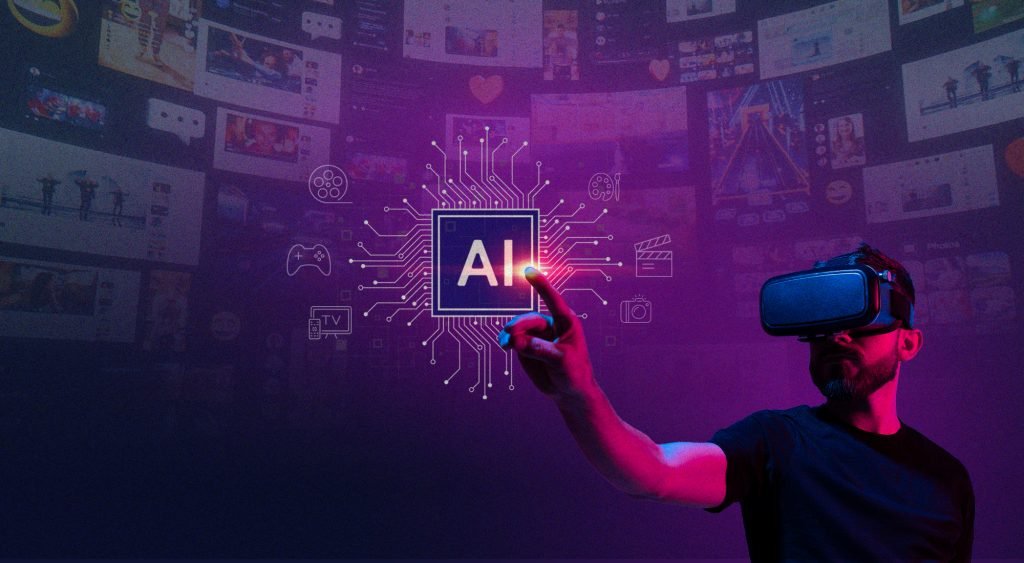
AI is reshaping entertainment faster than most audiences realize. What used to require a full studio—voice actors, editors, VFX teams, and weeks of post-production—can now be assisted (or partially replaced) by tools that generate faces, clone voices, and “fix” footage in minutes. The upside is obvious: cheaper production, faster iteration, and new creative possibilities. The downside is just as real: blurred authenticity, identity misuse, and a growing trust problem where viewers can’t easily tell what’s genuine and what’s generated.
Deepfakes are the most visible example: AI-generated or AI-altered video that makes someone appear to say or do something they didn’t. In entertainment, deepfakes can be used for harmless fun (parody, de-aging effects, stunt doubling) or for manipulation (fake interviews, fake celebrity endorsements, fabricated scandals). Voice cloning is similarly powerful—AI can mimic a person’s tone, accent, and speaking style with alarming accuracy. This can enable dubbing, voiceovers, and accessibility features, but it also makes impersonation cheap and scalable. Add AI editing—tools that can smooth skin, change lighting, adjust expressions, remove objects, generate backgrounds, or even create whole scenes—and the line between “filmed reality” and “constructed reality” becomes thin.
The biggest issue isn’t only technology—it’s rights, consent, and compensation. Using someone’s face or voice isn’t a neutral technical act; it’s identity. In a healthy ecosystem, AI-assisted entertainment should follow a simple principle: no synthetic use of a person’s likeness without clear permission and fair terms. That includes not only celebrities, but also creators, voice actors, and everyday people whose clips can be scraped from the internet. As AI tools become standard, audiences will likely demand clearer labeling, creators will demand stronger protections, and platforms will be forced to get more serious about verification and enforcement.
What comes next is a new “authenticity era” where entertainment splits into three categories: fully real (traditional filming), hybrid (real footage enhanced by AI), and fully synthetic (AI-generated characters, voices, or environments). Hybrid content will become normal—especially for editing and dubbing—because it’s efficient and often improves quality. At the same time, fake “real” content will increase: synthetic clips designed to look like authentic behind-the-scenes footage, leaked audio, or candid celebrity moments. That means media literacy stops being optional; it becomes part of everyday viewing.
How to Spot Synthetic Media (A Practical Guide)
Use this as a quick “trust checklist” when you see a viral clip, celebrity audio, or too-perfect footage.
1) Visual signs of deepfakes (video)
-
Unnatural blinking or eye focus: eyes don’t track the scene naturally, or blinking feels “off.”
-
Mouth mismatch: lip movements don’t match the words, especially on tricky consonants.
-
Face/skin artifacts: overly smooth skin, waxy texture, odd shadows near hairlines.
-
Weird edges: flickering around glasses, earrings, teeth, or the jawline.
-
Lighting inconsistencies: face lighting doesn’t match the environment lighting.
-
Micro-expressions feel missing: the face looks “flat” emotionally compared to natural speech.
Tip: Pause on frames—synthetic artifacts often show up more clearly when you stop motion.
2) Audio signs of voice cloning
-
Too perfect… or too even: unnatural smoothness, fewer breath sounds, less vocal variety.
-
Odd emphasis: stress on the wrong words, robotic pacing, strange pauses.
-
Sibilance issues: “s” and “sh” sounds can be harsh, smeared, or inconsistent.
-
Emotion mismatch: the voice sounds calm while the content is supposedly angry or urgent.
-
Background mismatch: the “room sound” doesn’t match the setting (too clean, no ambience).
Tip: If the audio is “studio clean” but the clip claims to be a phone recording, be suspicious.
3) Context clues (often the strongest signal)
-
Source quality: is it from an official account, reputable outlet, or a random repost?
-
Too convenient timing: drops at the perfect moment to inflame outrage.
-
No second source: nobody credible is confirming it, just repeating it.
-
“Leak” language: heavy use of “shocking,” “exposed,” “breaking,” with no proof trail.
-
Cuts hide continuity: lots of jump cuts that prevent you from seeing a continuous take.
4) Verification steps (fast and effective)
-
Look for the original upload (first poster, earliest timestamp, full-length version).
-
Reverse search key frames (often reveals older footage repurposed).
-
Check multiple reputable sources before believing extraordinary claims.
-
Listen/watch at 0.75x speed to catch lip-sync or voice oddities.
-
Be cautious with “screen recordings”—they’re easy to fabricate and hard to verify.
Final takeaway
AI will keep improving—and so will synthetic entertainment. The real challenge isn’t whether AI belongs in film, music, or streaming; it’s whether audiences can trust what they’re seeing and whether creators’ identities are protected. The safest mindset is simple: enjoy AI-powered creativity, but verify anything that claims to be “real,” especially when it’s viral, emotional, or reputation-damaging.

