
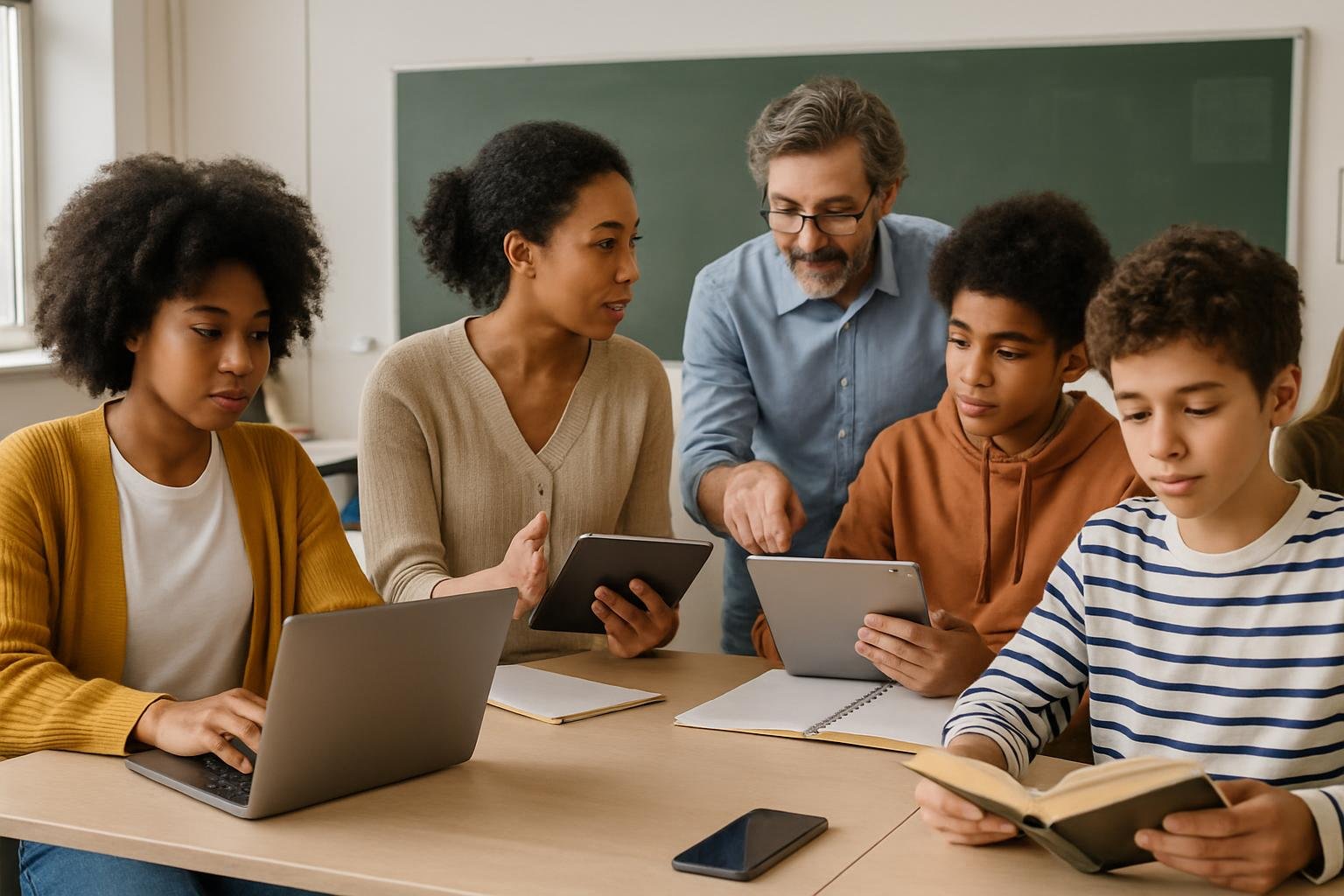
Introduction: A New Educational Landscape
The global pandemic forced an unprecedented disruption across education systems worldwide. Schools closed, teaching shifted virtually overnight, and educators, students, and families faced challenges never before imagined. As we look beyond this crisis, it’s important to reflect on what has changed fundamentally in education and which foundational principles remain critical to fostering meaningful learning experiences.
Acceleration of Digital Integration
Perhaps the most visible transformation was the rapid adoption of digital tools. Virtual classrooms, learning management platforms, and online resources became central to teaching methodologies. This shift has democratized access in some respects, enabling learners from diverse geographies to tap into a wealth of information and instruction previously less accessible. However, this digital integration also laid bare persistent inequities—unequal access to devices and reliable internet remains a barrier for many.
The Importance of Flexibility and Adaptability
The pandemic underscored the need for education systems to be nimble. Curriculum designs, assessment methods, and school schedules had to be rethought constantly in response to shifting circumstances. This experience serves as a reminder that rigidity in education can be detrimental; adaptability enhances resilience, allowing institutions and individuals to navigate uncertainties without compromising educational quality.
Human Connection and Social-Emotional Learning
Despite technological advances, the irreplaceable value of human interaction has become even clearer. Isolation and the loss of daily in-person engagement revealed how critical social-emotional learning and relationships are to student well-being and academic success. Post-pandemic education must prioritize reconnection—supporting mental health, fostering empathy, and rebuilding communities within schools.
Equity and Inclusion Remain Central
The crisis highlighted disparities but also galvanized efforts to address them. Equity in education is no longer an abstract ideal but an urgent necessity. Closing opportunity gaps—whether related to socioeconomic status, disability, language, or other factors—is vital for building more just education systems. Strategies such as differentiated instruction, targeted support, and culturally responsive teaching continue to be essential components.
What Still Matters: Core Educational Principles
While tools and contexts evolve, core principles endure. The pursuit of critical thinking, creativity, collaboration, and lifelong learning remains foundational. Effective education nurtures curiosity and empowers learners to engage meaningfully with the world. Moreover, trust in educators’ professionalism and fostering partnerships with families and communities are timeless pillars supporting student growth.
Practical Takeaways for Educators and Policymakers
- Invest thoughtfully in blended learning: Leverage technology to enhance—not replace—personalized instruction and relationships.
- Prioritize equity: Allocate resources and design initiatives with attention to the most underserved populations.
- Support educator well-being and professional development: Educators are central change agents and need sustained support.
- Embed social-emotional learning: Recognize students as whole persons and integrate emotional skills into curricula.
- Maintain flexibility: Develop systems and policies that allow for rapid adaptation to future disruptions.
Conclusion: Building on Lessons Learned
Education after the pandemic is not simply about adopting new technologies or reacting to an emergency. It is an opportunity to reimagine and strengthen what we know about effective teaching and learning. The crisis illuminated gaps and catalyzed innovation, but it also reaffirmed enduring truths about equity, human connection, and adaptability. As educators, leaders, and communities navigate this evolving landscape, embracing these lessons will be essential for creating sustainable, inclusive, and meaningful education for all learners.

