
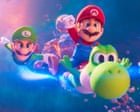
I went into the cinema over the Easter break with my children and prepared myself for disaster. The new Super Mario Galaxy movie has been met with a strikingly hostile reception, and the criticism has been unusually blunt. The Guardian’s Peter Bradshaw called it worse than AI, while Empire described it as a “humourless, hysterical trudge”. By the sound of it, the film has been condemned even more harshly than the first Mario movie, which critics had also disliked.
That made me curious as much as apprehensive. I am a lifelong Nintendo fan — so much so that I literally wrote the book on the company — and that meant there was at least a chance the film might work on me in a way it would not for a stricter critic. Even if it was bad, the Mario-loving child in me might be enough to carry me through it.
That is broadly what happened with the first Mario movie. I found it perfectly acceptable. It was not a film that inspired me, but neither was I offended by it, despite the stronger reactions from critics. The audience response seemed to point in a different direction too, given the large gap between its audience ratings and review scores. If viewers were more forgiving, perhaps the sequel could benefit from the same effect.
Still, the new film arrives with a reputation that is difficult to ignore. The complaints suggest a shallow story and a reliance on cameo appearances that feel little better than advertising. That combination is exactly the sort of thing that can provoke irritation in anyone hoping for a little more substance from a major studio release.
And yet Nintendo’s universe continues to exert a real pull. However thin the plot may be, there is still sincere affection in the way these worlds and characters are presented. For fans, that matters. The familiar imagery, the sense of play, and the immediate recognition of Mario’s world can do a lot of heavy lifting, even when the filmmaking itself is far from impressive.
The question, then, is not simply whether the movie is bad in an abstract sense. It is whether its failings overwhelm the basic pleasure of spending time in a universe that so many people already love. For some viewers, the answer will be yes. For others, especially those with a long attachment to Nintendo, the affection built into the film may be enough to soften the edges.
That tension explains why reactions to the movie are likely to remain divided. Critics have made their position clear, and the language of the reviews leaves little room for doubt. But audience response is not always aligned with critical response, and the first Mario movie showed that a film can be treated with considerable contempt in print while still finding plenty of viewers willing to go along for the ride.
So is the new Super Mario Galaxy movie really that bad? For people approaching it as a serious piece of cinema, the signs are not encouraging. For viewers who care more about Mario himself, or who simply want to share a familiar fantasy world with their children, it may still have enough charm to get by.
In the end, the film seems to live in the space between irritation and affection: criticised for being shallow, but not entirely stripped of the warmth that has always made Nintendo’s characters enduring. That may not be enough to satisfy its harshest reviewers, but it might be enough for the fans.

