
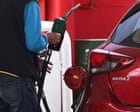
The Albanese government is considering further relief for households and businesses in next month’s federal budget as the fallout from the Iran war continues to raise concerns about fuel prices and broader economic pressure.
The potential support is being examined while peace talks continue between the US and Iran under a fragile ceasefire. The government has not confirmed what form any new assistance could take, but the issue has become a live concern as energy markets remain unsettled.
Infrastructure minister Catherine King said the success of the talks was the “best chance” of bringing down fuel prices. Her comments underline the degree to which the government is watching developments in the Middle East for any sign of relief in global oil markets.
King also warned that even if the situation improves quickly, the effects of the crisis may not disappear straight away. She said there would be a “long tail” from the conflict, indicating that households and businesses could continue to feel the impact for some time.
A key factor in the pressure on fuel prices is the Strait of Hormuz, a vital shipping route for global oil supplies. At the time of reporting, the strait was still being blocked by Iran, a development that has continued to constrict supplies and contribute to market uncertainty.
The prospect of reopening the strait appears central to hopes that fuel costs may ease. But even with an imminent resolution, the government is preparing for the possibility that prices and supply chains will take longer to settle than markets would prefer.
The budget, due next month, is now shaping up as a possible vehicle for additional household help if the situation worsens or fails to improve. That would fit with the government’s broader concern about cost-of-living pressure and the knock-on effects of global instability on Australian consumers.
For now, the immediate focus remains on the diplomatic talks and the fragile ceasefire that has created a narrow window for de-escalation. The outcome of those negotiations may determine whether fuel prices stabilise or remain elevated for longer than expected.
King’s remarks suggest the government is not yet assuming that an end to the crisis would quickly restore normal conditions. Instead, it is preparing for continued uncertainty and the possibility that the effects of the conflict will be felt well beyond any formal breakthrough.
As the situation develops, the government’s response will likely depend on how quickly peace talks advance and whether global oil flows can resume without further disruption. Until then, ministers appear to be keeping open the option of new support for families and businesses facing rising costs.

