
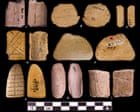
A new study argues that Native American hunter-gatherers were using dice for gaming and gambling more than 6,000 years before the practice appeared anywhere else.
The research suggests that dice were being made and used on the western Great Plains of North America at the end of the last ice age, more than 12,000 years ago.
According to the study, the archaeological record indicates that people living in the region were already engaged in games of chance long before such practices are known to have appeared elsewhere. The findings place the use of dice in North America at a much earlier point in human history than previously recognized.
The claim focuses on Native American hunter-gatherers, who are said to have used dice as part of play and wagering activities. The study does not present this as a modern invention or a late development, but as a practice with deep ancient roots.
Archaeologists often rely on physical remains to reconstruct how people lived, played, and interacted in the distant past. In this case, the evidence points to the making and use of dice during a period when ice age conditions were still shaping life across the continent.
The study’s central argument is that games of chance were already established in North America by the end of the last ice age. If correct, it would push back the known history of gambling-like behavior by thousands of years.
The report adds to a growing understanding of how early communities used objects not only for survival, but also for social and recreational activity. Dice, in this reading, were part of a broader cultural landscape that included play, risk, and chance.
While the source summary is brief, the study appears to challenge the idea that gambling emerged later or in a different part of the world before spreading more widely. Instead, it places Native American hunter-gatherers among the earliest known users of dice for such purposes.
The findings are notable because they connect a familiar form of gaming with a very ancient archaeological context. More than 12,000 years ago, according to the study, people on the western Great Plains were already making dice and using them in ways that may have involved both entertainment and wagering.
In that sense, the research suggests that the roots of gambling may reach far deeper into human prehistory than commonly assumed.

