
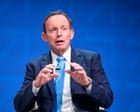
Labor has dismissed Tony Abbott’s call for Australia to join the war in the Middle East, after the former prime minister argued that armed forces should be used “to support our allies in a just cause.”
The comments came amid growing concern about the wider economic and political consequences of the conflict, with the head of the International Monetary Fund warning that the Iran war will permanently scar the global economy, even if a durable peace deal can eventually be reached.
According to the IMF chief, the outlook remains negative even under the most hopeful scenario. “But now, even our most hopeful scenario involves a growth downgrade,” the official said. “Even in a best case, there will be no neat and clean return to the status quo.”
The debate has also intensified over Australia’s ties to Israeli military supply chains. One view put forward in the live coverage argued that cancelling more than a billion dollars in Israeli arms contracts would send a clear signal. It was described as both a moral response to what was called the “appalling Israeli military attacks” and a way to place “very real material pressure” on Israel to pull back from what was characterised as a disastrous, illegal, immoral war in Lebanon.
That same argument said Australia should not be buying weapons that have been tested by Israeli defence manufacturers in conflicts such as Gaza and Lebanon, and should not be contributing any weapons parts. It also said that ending the contracts would show Israel that continued actions come at “a direct and real cost.”
Pressure builds over Australia’s role
The latest exchange highlights the domestic political divide over how far Australia should go in responding to the conflict. Abbott’s intervention appears aimed at pushing for a more direct role, while Labor is resisting any move toward military involvement.
The issue has also put renewed attention on the stance of Foreign Minister Penny Wong. The live coverage noted that previous statements from Wong, whether describing the situation as “concerned” or “gravely concerned,” have had no effect.
That frustration has fed calls from some quarters for stronger measures rather than further statements. The position outlined in the live updates suggested Australia should move beyond expressions of concern and take practical steps that would change the costs for Israel.
At the same time, the IMF’s warning has sharpened the economic context. Even if peace is eventually achieved in the Middle East, the institution says the conflict has already damaged prospects for growth and will not simply unwind once fighting stops.
The warning is a reminder that the consequences of the war are not limited to the battlefield. They are also being felt in markets and economic forecasts, with the potential for a longer-term drag on the global economy.
The live blog continued to track political reactions, including the clash between calls for greater military support and demands for Australia to distance itself from the conflict. The debate remains closely tied to questions of legality, morality, and the practical effect of Australian policy.
For now, Labor’s position is clear: it is not prepared to endorse Abbott’s call for Australia to join the war. But the pressure around the issue is unlikely to ease soon, as the fighting, the diplomatic fallout, and the economic warnings continue to unfold.

