
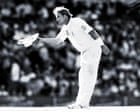
Raise the Playboy pants like a pirate flag. Twirl the big brimmer in celebration. It was always going to be Shane, really, wasn’t it.
The point of a countdown is usually suspense, and this one had plenty of it in form, if not in outcome. Cricket, after all, often feels like a long, running tally: names, numbers and reputations being sorted and re-sorted until the final verdict arrives. But for all the ceremony around the list, the destination was hard to dispute. Shane Warne stood above the rest.
Warne’s place in Ashes history was not built on one skill alone, even if his bowling genius was the obvious foundation. He was one of those rare players who could coax more from the people around him than they seemed able to find on their own. He bent matches, moods and occasions in his direction. When the pressure rose and the stage grew larger, he appeared to grow larger with it.
That is part of what made him so compelling. Great cricketers can dominate a session, a series or a spell. Warne often seemed to dominate the whole atmosphere. He mastered one of sport’s most complex arts: not just performance, but presence. He made himself impossible to ignore.
In Ashes contests, where reputation and nerve often matter as much as technique, that aura counted for a great deal. Warne was not only a match-winner; he was a force of personality. The sense that he owned the moment followed him through the series and gave his performances an extra charge. Opposition players felt it, teammates fed off it and spectators were drawn into it.
That connection is perhaps the most striking part of his legacy. Many athletes are admired. Fewer are remembered with the same mix of affection, disbelief and excitement that Warne inspired. He connected like few others in sport, not simply because he was brilliant, but because he made brilliance look alive, animated and accessible. He was theatrical without seeming artificial, and immense without becoming distant.
The countdown that framed the discussion did what such lists always do: it separated the supporting cast from the leading man. There were 99 other names to arrange, 99 other places to debate, 99 other figures to usher into their ranking as the non-Shanes of Ashes history. Yet the exercise only sharpened the sense that the top spot belonged to one man.
Warne’s place at the summit reflects more than statistics or isolated moments of skill. It speaks to the scale of his influence, the sense that he could tilt a series not only through wickets but through personality, timing and theatre. He was a cricketer who changed the feel of the contest. He made the Ashes seem bigger whenever he was in them.
That is why the answer felt inevitable. When the names are sorted and the numbers finally stop moving, it had to be Shane.

