
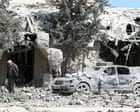
Israel’s heavy bombardment of Lebanon in the hours after a US-Iranian ceasefire was announced has drawn widespread condemnation, adding fresh pressure to already fragile efforts to preserve the truce.
The strikes killed more than 200 people, according to the source report, and included attacks with heavy munitions on densely populated areas. The scale of the bombing has sparked anger across the region and beyond, with the violence unfolding at a moment when international actors were trying to salvage the ceasefire.
The bombardment has particularly alarmed humanitarian groups. The International Committee of the Red Cross was among the organisations to express outrage over the attacks, alongside other international humanitarian bodies that raised concern about the impact on civilians.
The timing of the strikes has intensified criticism. Rather than easing tensions after the ceasefire announcement, the assault on Lebanon appeared to deepen the crisis and complicate diplomatic efforts aimed at reducing hostilities.
Strikes on populated areas have raised concerns about civilian harm, especially given the reported use of heavy munitions. The destruction and death toll described in the report have made the bombing a focal point of condemnation as regional and international efforts continue to focus on maintaining the ceasefire.
The situation remains part of a broader Middle East crisis, with developments continuing to shift rapidly as governments and humanitarian organisations respond to the aftermath of the attacks.
As the ceasefire faces immediate strain, the bombardment of Lebanon stands as one of the most severe escalations reported in the wake of the truce announcement, prompting urgent criticism from humanitarian voices and adding to fears that the agreement may not hold.

