
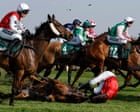
The Grand National will never be free of debate about horse welfare in the days and weeks leading up to the race. In one sense, though, that is also evidence of its importance. The continued scrutiny shows that the National remains the biggest race of the year in terms of audience, betting turnover, name recognition and, in many other ways, its standing in the public imagination.
Nearly two centuries after the first running in 1839, the race still occupies a unique place in British sport. It is not just another fixture on the racing calendar. For many people, it is an annual ritual that marks the arrival of spring and connects racing with a much wider audience than the sport usually reaches.
That broad appeal helps explain why discussion around the Grand National can become so intense. Within racing circles, few topics provoke as much disagreement. The race is not only a major sporting event but also, for many racegoers and punters, the first occasion that brought them into the sport at all. Its cultural reach is part of what makes the arguments around it so persistent.
In recent years, officials have made significant changes to the fences and to other conditions at Aintree in an effort to reduce the risk of serious or fatal injuries. Those adjustments have been introduced with the clear aim of improving safety and addressing welfare concerns that have long followed the race.
But changes intended to protect horses have also altered the feel of the event for some long-time followers. Some fans believe the National has become less like the race they first came to know and love several decades ago. For them, the changes raise a familiar tension in racing: how to balance tradition, spectacle and safety without losing the character that made the race famous in the first place.
That tension is unlikely to go away. As long as the Grand National remains the sport’s most recognisable and most discussed race, it will continue to attract pressure from welfare campaigners, examination from racing authorities and passionate opinions from those who see it as part of the fabric of the sport.
At the same time, public interest appears undimmed. TV audience figures suggest that the race still commands attention well beyond racing’s core audience. That enduring interest reinforces the idea that the National is not merely surviving in a changing sporting landscape, but continuing to dominate it in a way few other events can match.
For racing, that combination of controversy and popularity is central to the Grand National’s identity. The debate itself is part of what confirms the race’s significance. More than any other event on the calendar, it remains able to stir strong feeling, draw huge audiences and define the conversation around the sport every spring.

