
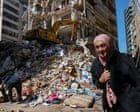
The two-week ceasefire connected to the Iran conflict appeared increasingly fragile on Thursday as the parties involved offered sharply different interpretations of the deal. While Iran and mediator Pakistan said the ceasefire covered Lebanon, Israel and the United States disputed that account.
At the same time, Israel intensified its bombing campaign in Lebanon, and Iran halted the passage of oil tankers after what it described as an Israeli breach of the ceasefire. The conflicting claims have raised fresh doubts about whether the truce can hold.
Iran’s parliament speaker, Mohammad Bagher Ghalibaf, issued a forceful statement accusing Israel and the US of violating several clauses of the provisional ceasefire. He also condemned Israel’s military action in Lebanon and criticized a US demand that Iran should have no right to enrich uranium on its own territory.
The disagreement centers on what exactly was included in the ceasefire arrangement and whether Lebanon was part of it. Iran and Pakistan say it was, but Israel and the US do not accept that interpretation. That divide has added to the uncertainty surrounding an agreement already under severe strain.
Iran’s decision to stop oil tankers comes as a further sign of escalating tension. The move was tied to its claim that Israel had broken the ceasefire, though the broader deal remains disputed by key parties. The situation is still developing.
The latest escalation comes amid a wider regional backdrop in which military pressure, diplomatic friction and competing claims over the terms of the ceasefire are all unfolding at once. Israel’s bombing campaign in Lebanon has been a particularly visible part of that escalation, drawing a sharp response from Tehran.
With each side presenting a different version of events, the ceasefire’s future is uncertain. The disagreement over Lebanon, the bombing campaign and the oil tanker stoppage together point to a process that is far from settled.
This remains a developing story.

