
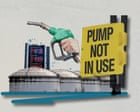
Australia is facing a fuel crisis that is showing up at the pump and in supply chains across the country. Hundreds of service stations have run empty, fuel prices are elevated, and oil shipments have been cancelled.
The disruption comes as Iran’s closure of the Strait of Hormuz continues to affect global fuel flows. In response, the federal government has released fuel reserves, cut fuel excise taxes and rolled out a national fuel security plan.
This tracker is designed to show how much fuel is available, how prices are changing in Sydney, Melbourne and across Australia, and which service stations are affected by outages.
What is happening to petrol and diesel prices?
Petrol and diesel prices have risen since the war between the US and Israel on Iran began in late February. The impact has been felt in major cities and elsewhere in the country as supply conditions tighten and uncertainty continues.
Consumers are being asked to check local prices closely, as costs may vary significantly depending on location and stock levels. The situation remains fluid, with price changes reflecting both immediate shortages and broader market pressure.
How serious is the shortage?
Fuel shortages are already visible at hundreds of service stations nationwide. Some outlets have run dry, while others are facing constrained deliveries or delayed shipments.
The cancellation of oil shipments has added to the pressure on supply. Together with the strain caused by the Strait of Hormuz closure, this has intensified concerns about how long current reserves and existing supply lines can hold up.
Government response so far
The federal government has acted in several ways to reduce pressure on the fuel market. It has released fuel reserves, lowered fuel excise taxes and introduced a national fuel security plan.
These steps are intended to stabilise supply and ease costs for motorists, but the broader crisis is still unfolding. The combination of empty stations, higher prices and shipment cancellations means the situation remains unsettled.
What to watch next
Key questions now include how much fuel Australia has left, when shortages may worsen, and whether supply routes can recover quickly enough to prevent further disruption. The tracker also aims to show where price increases are most pronounced and where outages are continuing.
For motorists, the immediate concern is practical: whether fuel is available nearby, how much it costs, and how long the current disruption will last. As the crisis continues, those answers may change quickly from one day to the next.

