
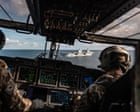
A British warship and aircraft tracked Russian submarines that were attempting to survey vital undersea infrastructure in the North Atlantic, Defence Secretary John Healey has said.
Speaking at a Downing Street press conference, Healey said the UK operation lasted more than a month and involved a Royal Navy warship and P8 maritime patrol aircraft working to “track and to deter any malign activity” by three Russian submarines.
According to Healey, the effort ensured the submarines abandoned their mission. The operation was aimed at protecting important undersea cables and related infrastructure, which are considered essential for communications and other services.
The defence secretary said the activity took place in the North Atlantic, with the UK response focused on monitoring the Russian vessels and preventing any further action.
The announcement comes as governments across Europe and the wider North Atlantic region remain alert to possible threats against undersea infrastructure. Such cables are widely regarded as strategically important because damage or interference could disrupt communications and data traffic.
Healey did not provide further operational details at the press conference, but said the Royal Navy and RAF surveillance assets had been used to follow the submarines closely over the course of the month-long mission.
The UK government has increasingly highlighted the importance of protecting critical infrastructure at sea, particularly in light of tensions involving Russia and concerns over activity near seabed communications routes.
In his remarks, Healey framed the operation as part of a broader effort to deter hostile or suspicious behaviour in British and allied waters.
The account given by the defence secretary indicates that the UK judged the Russian submarines to have been engaged in surveillance of undersea systems, and that the British response succeeded in preventing that activity from continuing.

